

Though it may not seem like it at times, stress is one of the normal, healthy human responses – both physical and emotional – to life events. In today’s world, an all-too-familiar source of stress is the ongoing COVID-19 pandemic. Some of the reasons for this increased stress are:
- Uncertainty – This includes worry about what might happen if you or a loved one contracts the virus. There’s particular worry for older adults and those with chronic medical issues who have heightened vulnerability to a life-threatening infection. In addition, there may be uncertainty about financial health due to to a job loss for yourself or loved ones, or loss of savings and investments in the volatile economy. Uncertainty may crop up elsewhere, such as concerns about safely getting groceries or filling a prescription, or visiting your health care provider for health concerns.
- Information Overload – You are surrounded by information and discussion about COVID-19 most of the day, whether from TV, radio, newspapers, social media, internet sites, friends, neighbors and coworkers.
- Changes to Your Daily Routines – Frustration with loneliness and isolation can occur if you are primarily confined to your home and unable to do activities you would normally enjoy or see friends and loved ones. Or you may find yourself tired of living in close quarters with family members with whom you don’t normally spend so much time.
In addition to COVID-19-related stress, there’s also the recent social upheaval related to race, or being stressed by the way you or others are treated due to race or ethnicity. Life is full of other sources of stress, as well, such as grieving for the loss of a loved one, downsizing and moving to a smaller house or apartment, an ongoing health problem, or difficulties in relationships. And don’t forget positive sources of stress, which are stressful nonetheless. These include situations such as planning for a wedding or your next big vacation.
Stress is a normal part of life. As a beneficial influence, stress can lead to growth and change. It can be motivation, helping you to be more aware of your surroundings, spurring you to take action or to plan and prepare for the future.
However, stress can affect your body and mind in negative ways, which can become increasingly problematic if it persists over time. You may show signs and symptoms related to your:
- Emotions – Such as anxiety, fear, grief and sadness.
- Body Function – These include sleep problems, muscle tension, upset stomach or other GI problems, headache, and fatigue.
- Thoughts – These include a racing mind, worry, and persistent negative thinking.
- Behaviors – These include avoidance, social withdrawal, seeking reassurance, drug or alcohol misuse, overeating or undereating, and reduced exercise.
Everyone reacts differently to difficult situations, and it’s normal to feel stress and worry during a crisis. But facing multiple issues can push people beyond their limits. Despite your best efforts, you may find yourself feeling helpless, sad, angry, and hopeless. You might even have trouble concentrating or have changes in appetite. When these signs and symptoms last for several days and interfere with your daily life, reach out for help! Reach out to a friend, a family member, mental health professional, clergy, or organizations such as Mental Health America or National Alliance on Mental Illness (NAMI).
What is Resiliency?
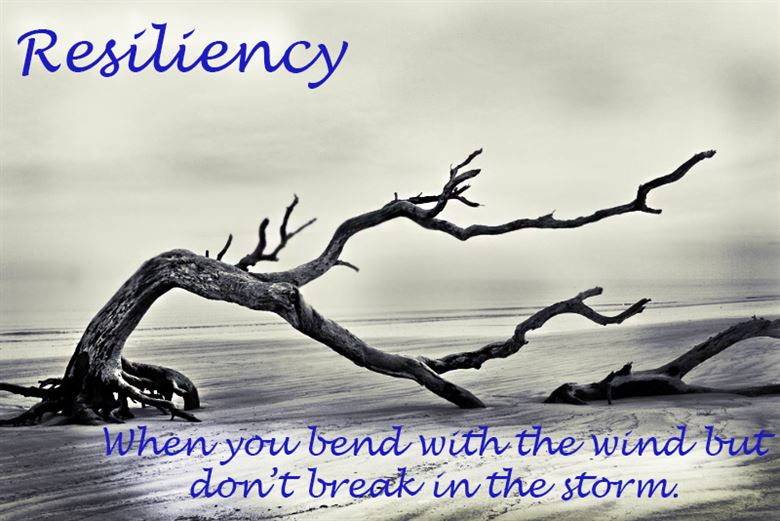
Resiliency is defined as the power or ability to return to the original form or position after being bent, compressed or stretched. When it comes to people, resiliency is the ability to withstand and bounce back from adversity. A lack of resiliency may mean that you dwell on problems, feel victimized or hopeless, withdraw, and perhaps turn to unhealthy coping mechanisms. Low resiliency increases risk of anxiety, depression, stress, etc.
Training yourself in resiliency includes available resources to cope with issues, letting go of what you can’t control, and seeing challenges as opportunities to learn and grow. Maintaining healthy habits and having routines can help keep you centered and be more in control of your life.
Healthy Habits
- Make Sleep a Priority – Getting 7 – 9 hours of sleep each night. If you struggle with sleep regularly, contact your healthcare provider.
- Get Out and Get Moving – Exercise produces endorphins which make you feel good. Get out and walk or participate in an exercise class live on the Ivy Tech Wellness and Fitness Center Facebook page or through another fitness center. Be sure to check out our YouTube videos of all the parks and trails in our area for outdoor exercise.
- Eat a Healthy and Well-Balanced Diet – Eat more fruits and veggies, healthy fats (avocados, walnuts, salmon), whole grains, and lean protein. Watch the Ivy Tech Wellness and Fitness Center’s Facebook and Instagram page for healthy recipes.
- Wake Up Your Brain – Start each day with a routine. Take a shower or bath, eat a good breakfast, keep up with daily chores, read a devotion. Word finds, crossword puzzles, and coloring mandalas are also healthy for your brain.
- Stay Connected – Stay in touch with friends and family members. We are designed to have social connections. You can do this through phone, e-mail, text, social media, Zoom, etc. Maybe even plan an outing with a friend where you can dine outdoors. (Keep in mind, though, that being alone and feeling lonely don’t have to be linked. You can always find ways to combat loneliness: Hold people close in your mind and thoughts, be productive by taking up a hobby (sewing, dancing, taking photos), consider adopting a pet from a shelter.)
- Try to Maintain Positive Thinking – Don’t worry about things beyond your control. Think about a different way to look at a situation and ask yourself if this will matter five years from now.
- Practice Relaxation – Participate in one of Ivy Tech Wellness and Fitness Center’s Facebook live yoga classes, practice with one of our YouTube meditation videos (https://www.youtube.com/playlist?list=PLf1WKsLjQc7Te3G1xaAfHbogetAZ97cf7 ), practice relaxation breathing and guided imagery, go for a walk, do some stretching exercises, take a hot bubble bath, spend time with your pet, listen to your favorite music, etc.
Helpful Resources
Mental health apps are a great way to strengthen coping skills. Here is a list of free mental health apps:
- COVID Coach
- Breathe2Relax
- Happify
- Mindfulness Coach
- SuperBetter
- Calm
- Insight Timer
Take control of your health. Love yourself enough to do that. You’re worth it!
Self-Harm
If you’re feeling suicidal or thinking of hurting yourself, seek help. Contact your primary care provider or a mental health professional for resources in your area.
– National Suicide Prevention Lifeline: Call 1-800-273-8255 (confidential and available 24 hours a day) or use it’s webchat at https://suicidepreventionlifeline.org/chat.
– Evansville Local Suicide Prevention Hotline: 812-422-1100
– Mental Health America of Vanderburgh County: 812-426-2640
– Deaconess Cross Pointe: 812-476-8200
– Southwestern Behavioral Health Services: 812-423-7791
-Crisis Text Line: Text HOME to 741741
– Visit the emergency room at your local hospital
– Suicide hotline for LGBT youth, run by the Trevor Project: 1-866-488-7386. You can text it as well.
– The Veteran Crisis Line: 1-800-273-8255or you can text 838255.
 takegoodcareofyou.blog